
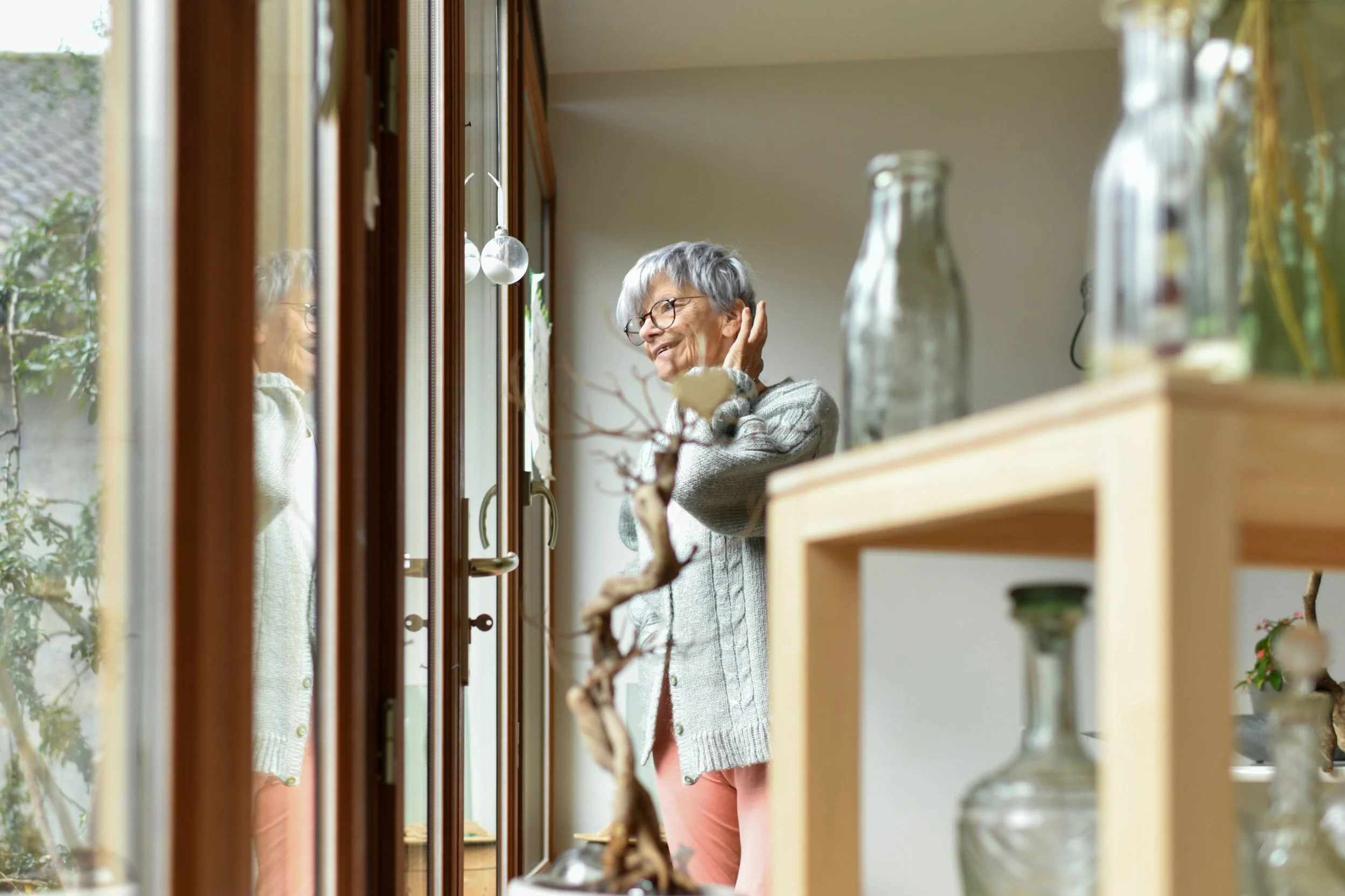
Your home should support your independence, not stand in the way of it. A LimbTech home assessment looks at how you move through your everyday environment and identifies practical ways to improve safety, accessibility, and confidence.
-
Getting safely in and out of the home is essential for independence. We look at steps, thresholds, ramps, railings, door widths, lighting, and the space needed to use mobility equipment comfortably. Small barriers at an entrance can become significant obstacles when balance, strength, or mobility changes.
-
Bathrooms are one of the most important areas to evaluate because they combine tight spaces, wet surfaces, transfers, and frequent changes in position. We assess access to the toilet, shower, or tub, along with grab-bar placement, seating options, flooring, and available space for mobility or caregiver assistance.
-
The bedroom should support safe movement during some of the most vulnerable parts of the day, including getting in and out of bed or moving through the room at night. We look at bed height, walking paths, lighting, furniture placement, transfers, and access to commonly used items.
-
A kitchen can become difficult to use when reaching, standing tolerance, balance, strength, or wheelchair access changes. We evaluate how frequently used items are stored, counter and appliance access, available maneuvering space, and opportunities to make meal preparation safer and less physically demanding.
-
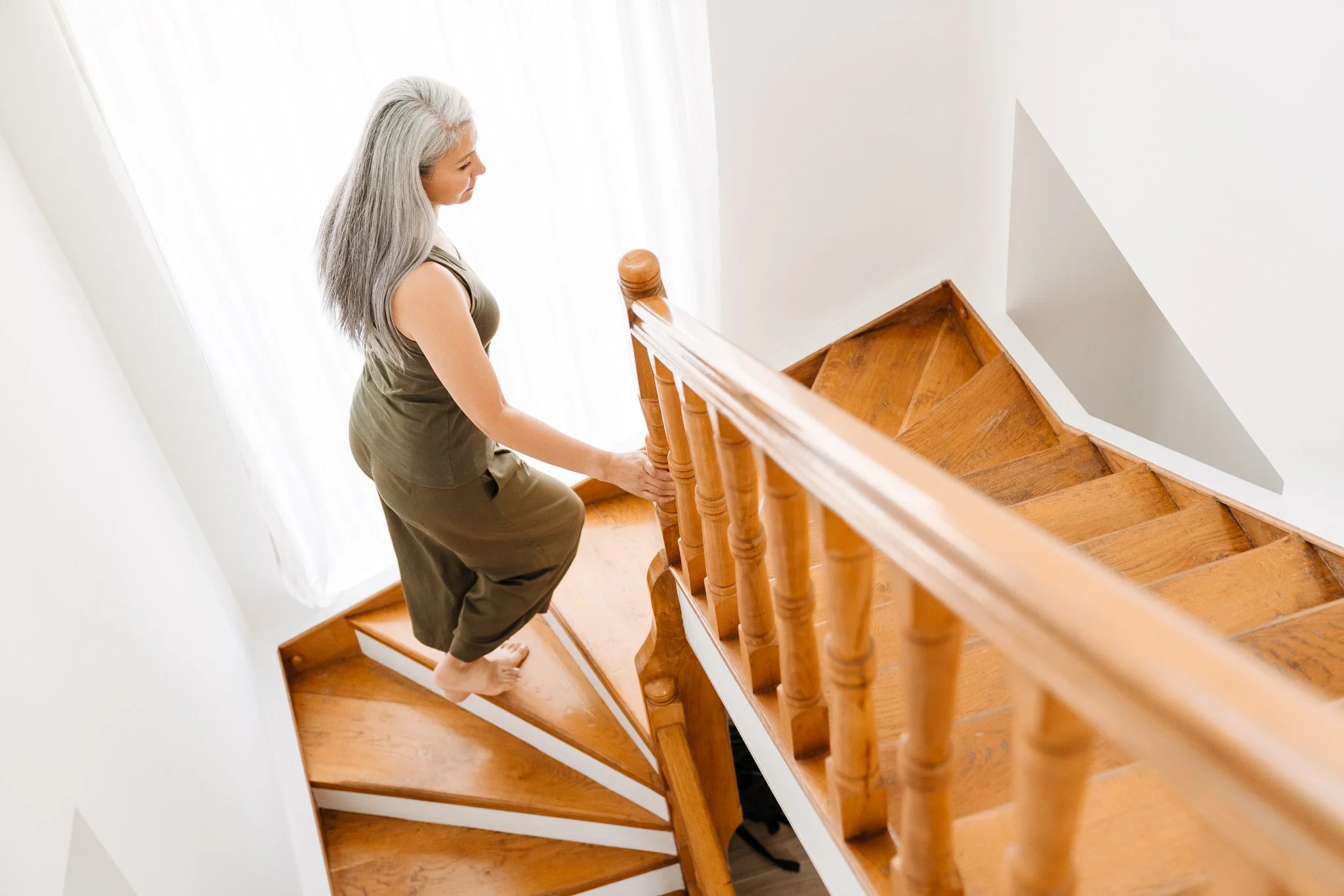
Steps, stairs, raised thresholds, and changes in flooring can create challenges for people with limited balance, strength, vision, or mobility. We assess railings, lighting, step height, surface changes, and how safely someone moves between different levels or areas of the home.
-
Clear pathways make it easier to move safely throughout the home, particularly when using a walker, wheelchair, cane, or other mobility device. We look for narrow passages, furniture placement, rugs, cords, clutter, and other obstacles that may interfere with movement or increase fall risk.
-
Everyday activities often require moving from one surface to another, such as from a bed to a wheelchair or from standing to a toilet or chair. We observe how these transfers are performed and look for ways to improve safety, reduce effort, and make assistance easier for caregivers when needed.
-
Falls often result from several small factors working together rather than one obvious hazard. We look at lighting, rugs, flooring, clutter, furniture placement, stairs, bathroom access, footwear considerations, and the way a person moves through the home to identify opportunities to reduce risk.
-
A home that works well for someone walking independently may not work as well with a walker, wheelchair, scooter, or other mobility equipment. We assess turning space, doorways, pathways, transfers, storage, and access to important areas of the home so equipment can be used as effectively as possible.
-
A successful home assessment goes beyond the physical layout of the house. We also look at the activities that matter most to the individual, such as bathing, dressing, cooking, getting outside, caring for a pet, or spending time with family. Understanding those routines helps ensure recommendations support the person’s actual goals rather than simply checking boxes.
-
When family members or caregivers provide assistance, the environment should support their safety as well. We consider the amount of space available for assistance, positioning during transfers, equipment access, and opportunities to reduce unnecessary lifting, reaching, or physical strain.
What We Assess:
Home Assessments are for you if:
You want to remain at home as you age
You’re experiencing changes in mobility
You’re returning home after illness, surgery, or rehabilitation
You’re a family member concerned about a loved one's safety
You’re a caregiver trying to make daily routines easier
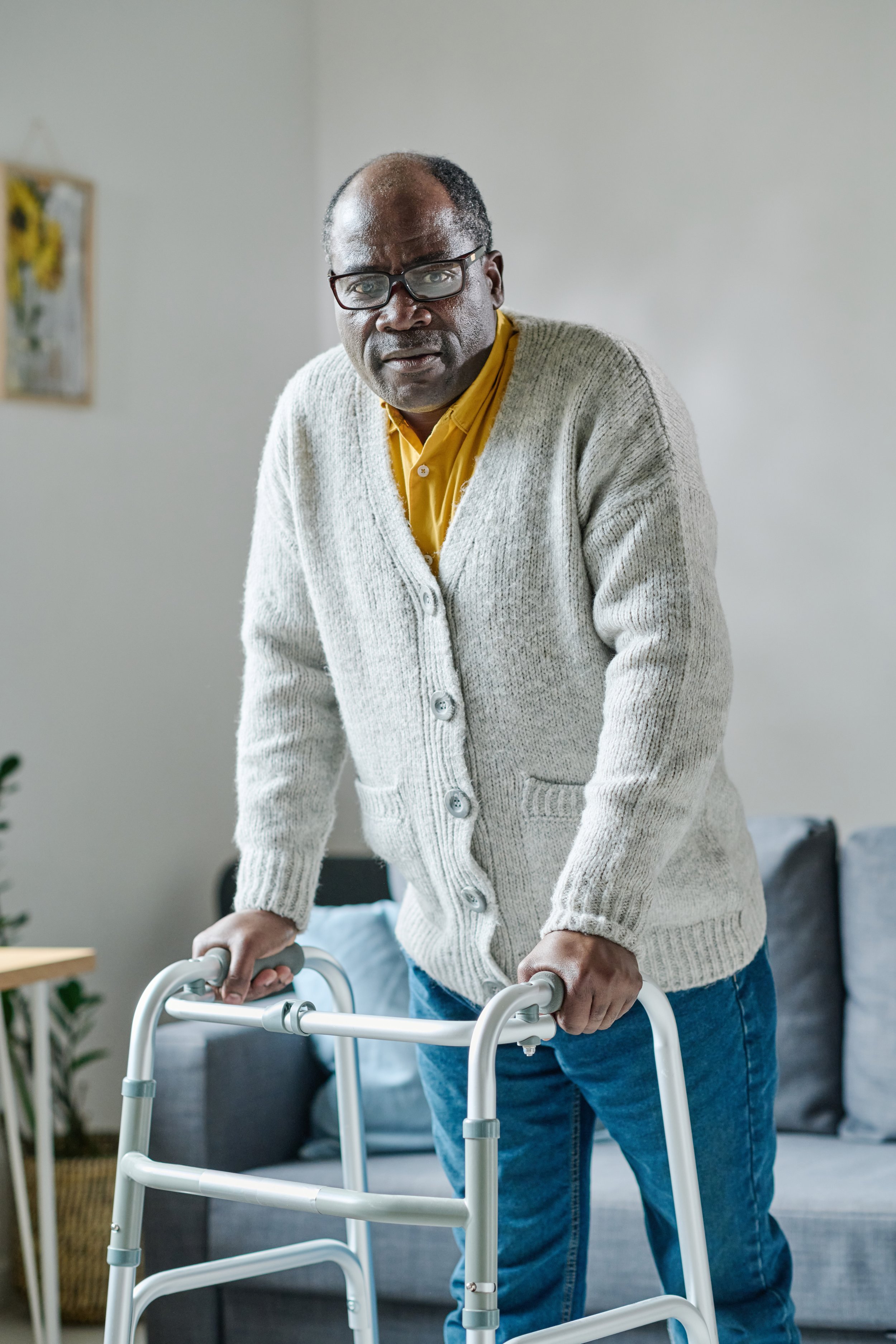
You use a wheelchair, walker, or other mobility equipment

What Happens Next?
First, We Listen
We start by learning about your goals, routines, concerns, and the challenges you are experiencing at home. Understanding what matters most to you helps us focus the assessment on the areas that will make the greatest difference.
Then, We Assess
We look at how you move through and use your home, considering safety, accessibility, mobility, transfers, daily activities, and caregiver needs. The goal is to identify both current barriers and potential concerns before they become bigger problems.
After, We Recommend
Based on what we find, we provide personalized recommendations designed around your needs, abilities, home, and priorities. These may include simple environmental changes, adaptive strategies, equipment, or larger home modifications that support greater safety and independence.